
Do you ever wonder why your iced latte always comes in a clear plastic cup, not paper? You probably think it is about being eco-friendly or tasting better. But what if I told you the real reasons are far more practical, even tough for businesses?
The main reasons paper cups are not used for iced drinks boil down to structural integrity1, customer experience, and actual cost. Paper cups tend to weaken and get soggy with condensation, they hide the visual appeal of iced beverages, and paradoxically, they can be more expensive than plastic cups designed for cold use.
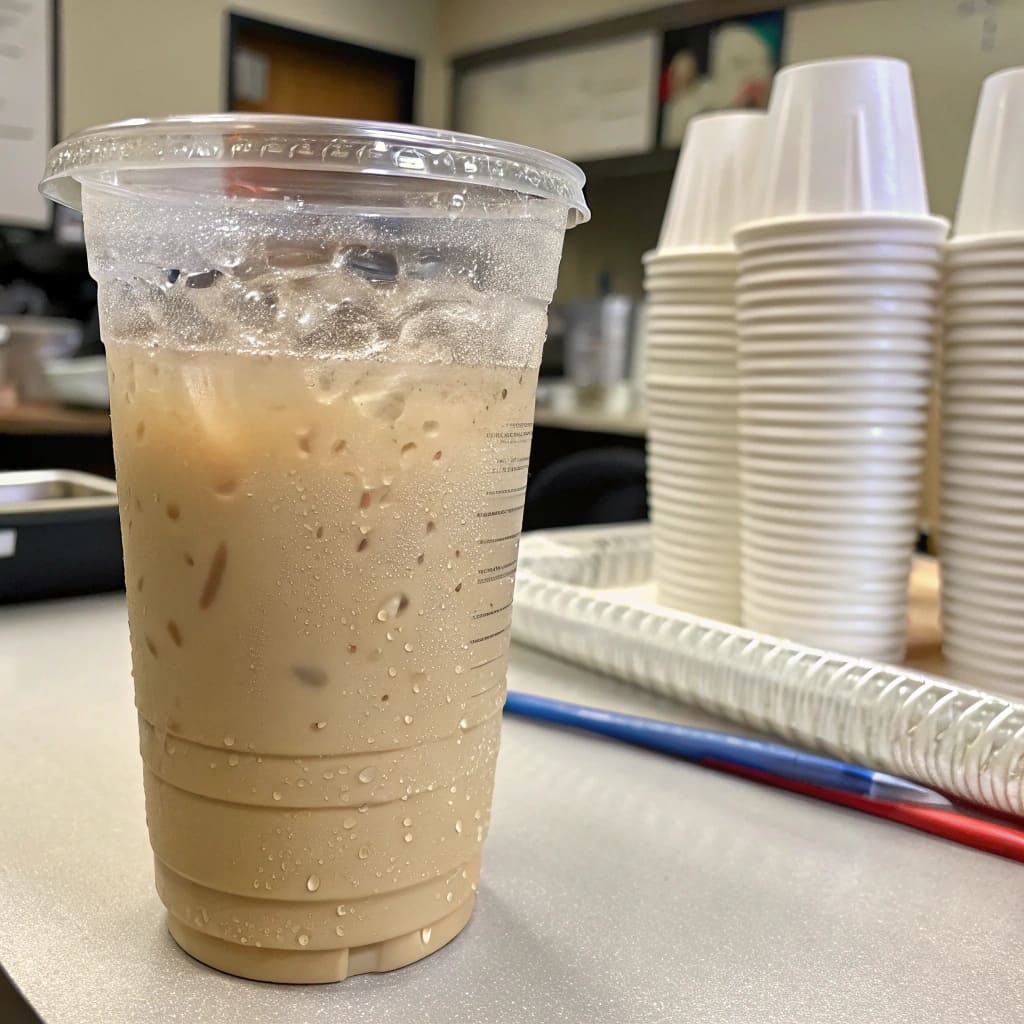
When I started Lehong Packaging, I learned a lot about the challenges procurement managers like Emily face. Choosing the right cup deeply affects a brand. It also impacts costs and customer satisfaction. Let me explain why paper cups often struggle with iced drinks.
Does the structure of paper cups really fail for cold drinks?
Imagine holding a cup that starts to feel flimsy and soft after a few minutes. This is a common issue many coffee lovers face with paper cups. It leaves customers wondering about the quality of their drink.
The structure of paper cups for cold drinks struggles because the inner waterproof lining2, usually PE or PLA, cannot withstand constant external condensation. This moisture eventually weakens the outer paper layer, making the cup lose its rigid shape, feel unstable, and appear less appealing to hold.
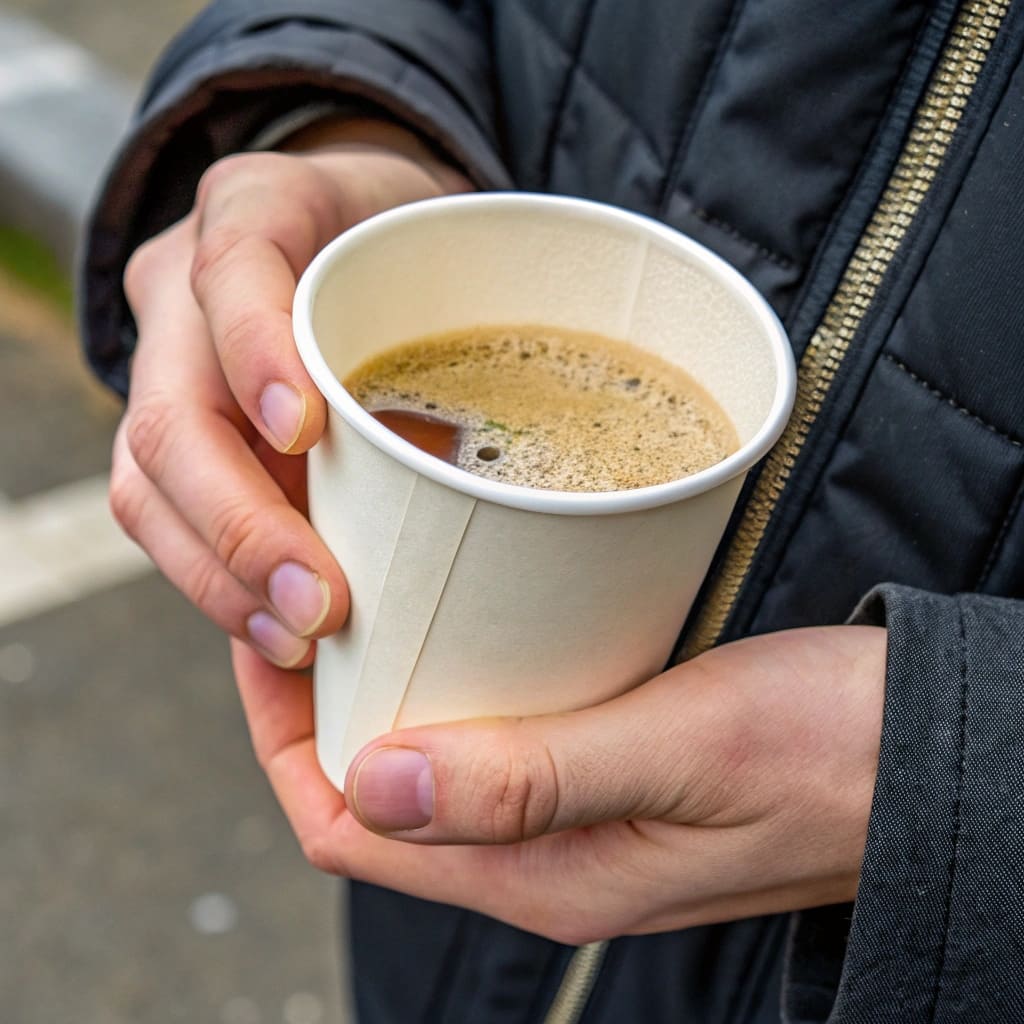
From my 15 years in packaging, I saw how easily paper cups fail with iced drinks. The outside paper looks strong, but its water resistance comes from a thin inner film. For hot drinks, high temperatures keep the layers tight, stopping leaks. But with iced drinks, cold condensation forms outside the cup. This moisture gets absorbed by the outer paper, making it "sag." I have heard countless stories from many customers, and feedback from my own clients' consumers, about cups feeling "cheap" when they become soft and unstable. Imagine Emily's beverage chain using a cup that gets flimsy halfway through a customer's drink. Brands want a cup that feels solid and high-quality, not one that collapses. This structural weakness ruins the perceived value of the drink. It makes the cup feel like a temporary, lower-quality container, not a reliable vessel for a premium beverage. A table helps show the main differences here.
| Feature | Hot Drink Paper Cup | Iced Drink Paper Cup |
|---|---|---|
| Lining Function | Prevents hot liquid from soaking paper. | Prevents cold liquid from soaking paper. |
| External Moisture | Minimal condensation. | Significant condensation. |
| Structural Impact | Maintained due to internal heat and dry exterior. | Weakens paper, leading to "collapsing." |
| Customer Grip | Firm and stable. | Soft, flimsy, and feels cheap. |
| Brand Perception | Reliable and appropriate. | Unstable and low quality. |
This structural breakdown is a silent enemy for coffee brands, directly impacting customer satisfaction. It is a critical factor we always consider when advising clients on packaging solutions, because a cup must perform reliably from the first sip to the last.
Does the customer experience with paper cups fall short for iced beverages?
You grab an iced coffee, ready to enjoy it, but your hands soon feel damp and sticky. This common problem with paper cups really takes away from the overall enjoyment. It leaves customers feeling uncomfortable.
Yes, the customer experience with paper cups for iced drinks often falls short. Condensation makes the cup wet and slippery, leading to uncomfortable handling. More importantly, opaque paper cups3 hide the drink's visual appeal, missing out on the "Instagrammable4" aesthetic that is crucial for today's beverage market.
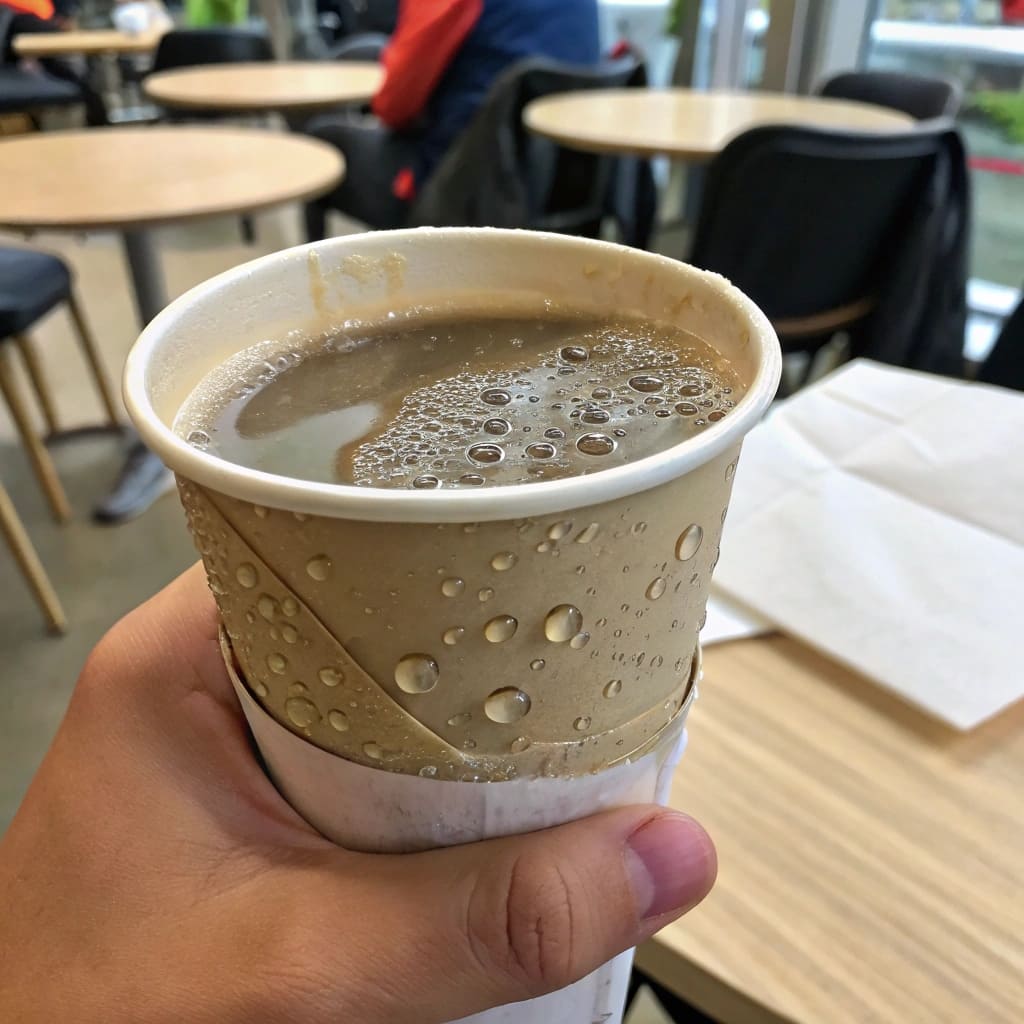
From my discussions with procurement managers like Emily, I understand that customer experience is key. When you use a paper cup for an iced drink, the outside quickly gets wet from condensation. This makes your hands damp. Popular coffee chains like Starbucks and Luckin Coffee know customers do not want to complain about "slippery cups" or "soaked cup sleeves." This directly affects brand satisfaction. Think about it: a wet cup is just not pleasant to hold. But it goes beyond just being wet. Plastic cups are clear. This transparency lets you see the ice, the layers of the drink, the frothy milk, and any garnishes. This is about "visual value." Over the past few years, the beverage industry is not just selling taste. They are selling an "experience" that looks good in photos. I always tell my team that drinks need to be "Instagram-ready." Paper cups cannot compete here. They hide the beautiful presentation, which means brands miss a chance to connect with customers through visual appeal. This visual disconnect affects sales and customer loyalty. It is a clear example of how packaging directly influences perception.
| Aspect of Experience | Paper Cup for Iced Drink | Transparent PET Cup for Iced Drink |
|---|---|---|
| Hand Feel | Wet, slippery, and uncomfortable due to condensation. | Dry, stable, and comfortable to hold. |
| Visual Appeal | Opaque; hides drink layers, ice, and colors. | Clear; showcases drink layers, ice, and aesthetics. |
| "Instagrammability" | Low; not visually appealing for social media sharing. | High; encourages sharing and brand promotion. |
| Perceived Quality | Often seen as lower due to wetness and lack of visual. | Often seen as higher due to transparency and stability. |
| Brand Loyalty | Can be negatively impacted by poor handling and visuals. | Enhanced by a premium, visually appealing presentation. |
This blend of tactile and visual drawbacks makes paper cups a poor choice for brands focusing on a premium iced beverage experience. It is a detail that many consumers notice, even if they cannot always explain why. Packaging needs to elevate the product, not detract from it.
Are paper cups truly a more cost-effective choice for iced coffee?
Many people believe that paper is automatically cheaper than plastic, especially when talking about packaging. This assumption can lead to costly mistakes for businesses. It might surprise you to learn the truth about expenses.
No, paper cups are often not more cost-effective for iced coffee. A reinforced, double-layered paper cup5 with a waterproof lining, necessary for cold drinks, can cost 1.5 times or more than a transparent PET cup. Additionally, their complex recycling process makes them less environmentally friendly and more expensive to manage post-consumption.
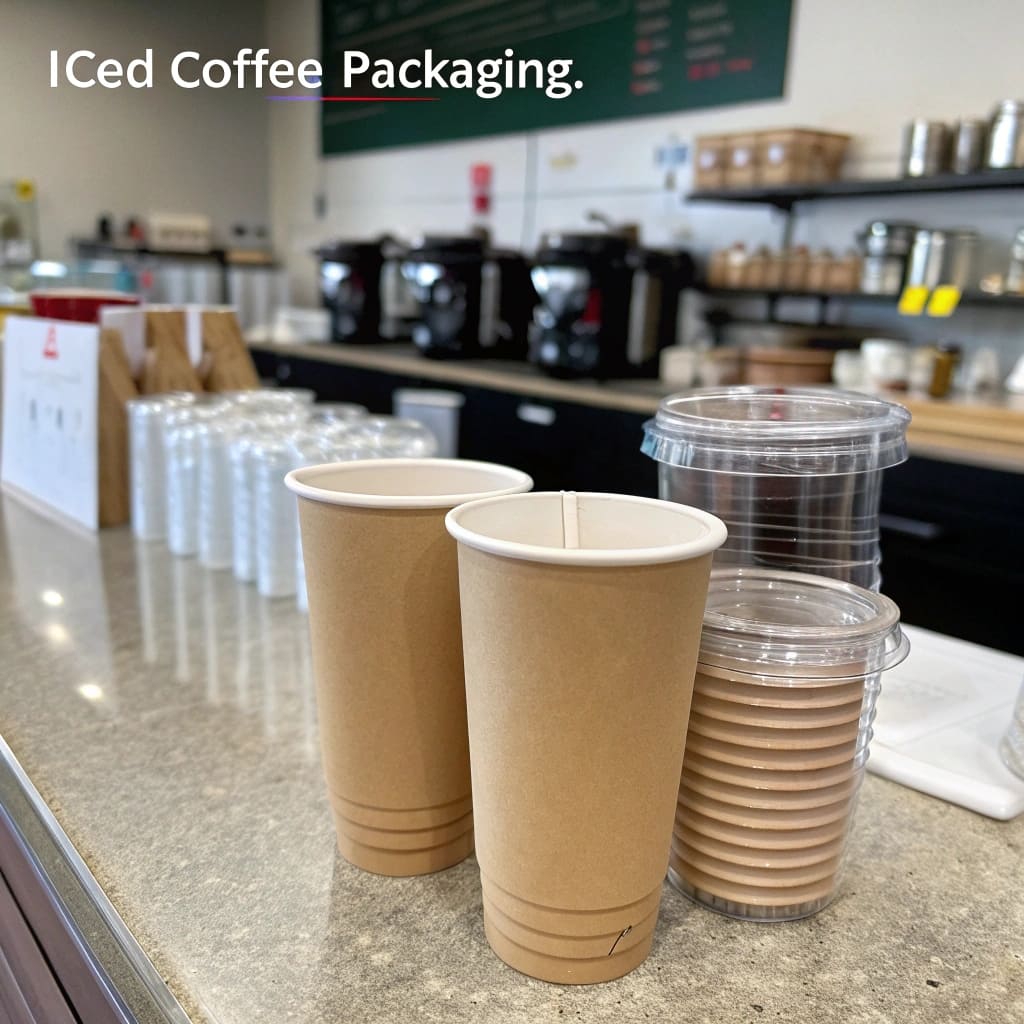
When I talk to clients like Emily, one of the biggest myths I need to clear up is about cost. Most people assume paper is cheaper than plastic. That is simply not true for iced drinks. A paper cup designed to hold iced beverages needs to be thicker, often double-layered, and must have a robust waterproof film on the inside. This specialized construction drives the cost up. From my experience in sourcing and manufacturing, I know that these reinforced paper cups can easily be 1.5 times, or even more, expensive than a standard transparent PET cup. We at Lehong Packaging optimize our PET cup production to be efficient and cost-effective6 for bulk orders. Moreover, the long-term cost goes beyond just the purchase price. Paper cups with plastic linings are much harder to recycle. The plastic film must be separated from the paper, a process not all recycling facilities can handle. This complexity means they are often not truly recycled, despite common beliefs. It adds to the waste management problem and contradicts the "eco-friendly" image many associate with paper. For a large coffee chain, these extra costs, both in procurement and waste management, add up fast. It makes paper cups a less attractive business choice.
| Cost Factor | Paper Cup for Iced Drinks | Transparent PET Cup for Iced Drinks |
|---|---|---|
| Manufacturing Cost | Higher due to multi-layer construction and specialized lining. | Lower due to efficient thermoforming of a single material. |
| Material Cost | Paper pulp with PE/PLA lining is often pricier for cold-grade. | PET resin often offers better bulk pricing for transparency. |
| Recycling Cost/Complexity | High; requires separation of paper and plastic, limited facilities. | Moderate; widely recyclable in many regions, simpler process. |
| Total Procurement | Can be 1.5x or more expensive than PET cups. | Generally more economical for bulk quantities. |
| Environmental Claim | Often misleading due to recycling challenges. | Clearer, as PET is a well-established recyclable plastic. |
This holistic view of costs, from production to disposal, clearly shows why plastic remains the preferred choice for iced beverages in terms of overall economic sense for businesses. It is about smart procurement, not just simple assumptions.
Conclusion
Paper cups are not ideal for iced drinks due to weak structure, bad customer experience, and high cost. This 'triple loss' means brands choose plastic cups for cold beverages.
Understanding structural integrity helps in choosing the right packaging for beverages, ensuring quality and customer satisfaction. ↩
Understanding waterproof linings can help in selecting the right cup for different beverages. ↩
Understanding the limitations of opaque cups can guide better packaging decisions for beverages. ↩
Find out how aesthetics can drive social media sharing and boost brand visibility. ↩
Learn about double-layered cups and their role in maintaining beverage quality. ↩
Learn about the factors that determine the cost-effectiveness of packaging materials. ↩