
Choosing the right cup feels complicated, and the wrong choice can hurt sales and your brand's reputation. Let's make this simple and find the right cup for your business.
For cold drinks, use clear PET cups for their visual appeal, sturdiness, and real recyclability. For hot drinks, stick with paper cups for safety, insulation, and a better taste experience. The right choice depends entirely on the beverage you are serving.
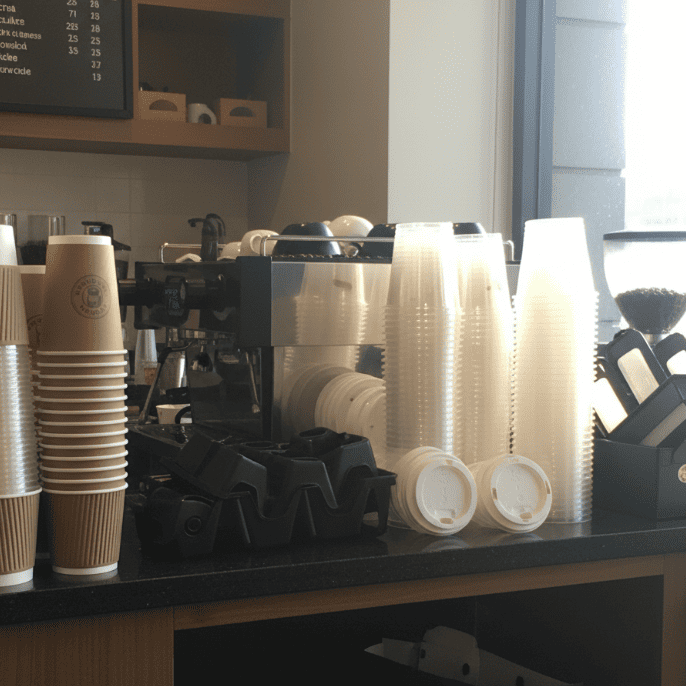
It seems simple, but I see brands get this wrong all the time. They chase the lowest price or a fuzzy 'eco-friendly' label and end up with soggy cups or customer complaints. It's frustrating to see good products served in the wrong packaging. Let's dig into why the right cup for the right drink matters so much for your success.
How do you choose the right cup for hot versus cold drinks?
Your beautiful iced latte looks dull in a paper cup, or a customer burns their hand on a flimsy plastic cup1 holding hot coffee. Matching the cup material to the drink's temperature is critical.
Use clear PET plastic for cold drinks. Its strength prevents sogginess from condensation and its clarity showcases your product, boosting sales. For hot beverages, always use paper cups, either double-walled or with a sleeve, to ensure customer safety and preserve the drink's original taste.
Why PET is the Undisputed King for Cold Beverages
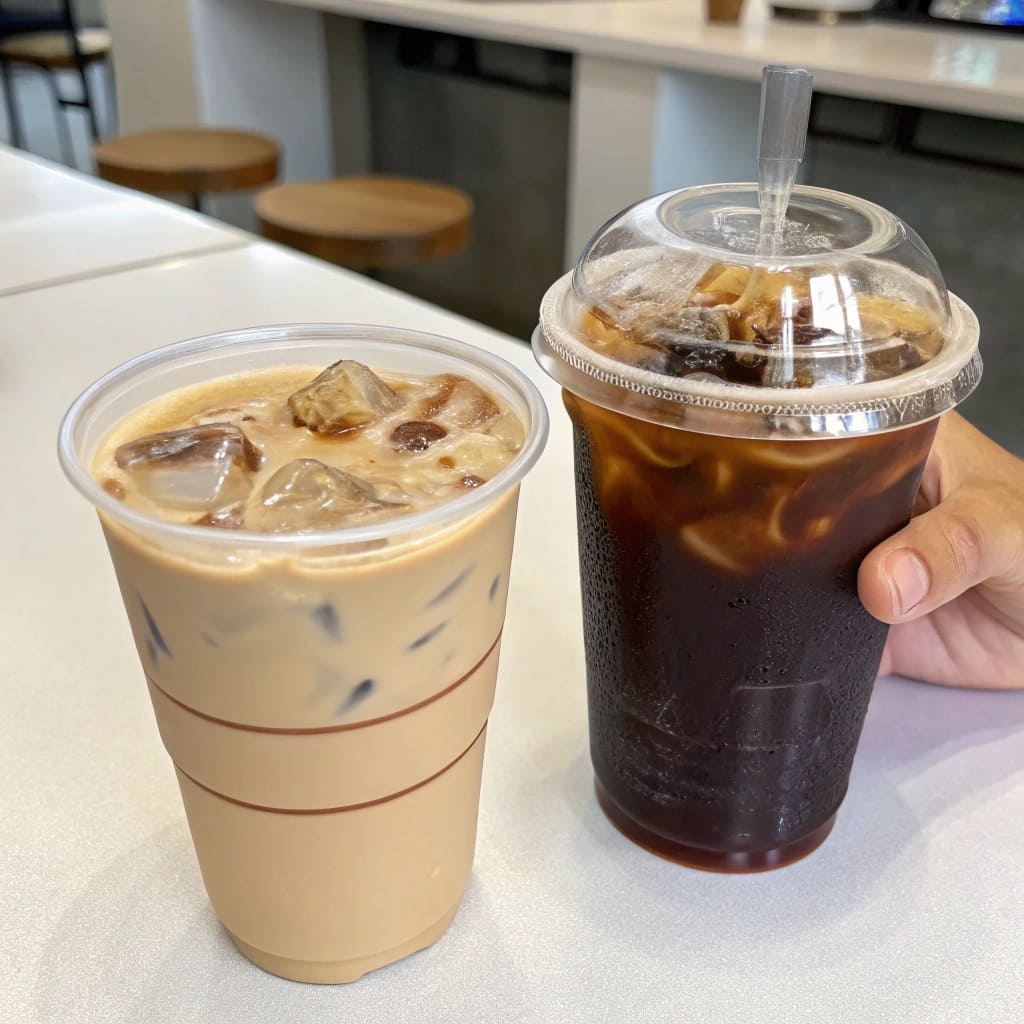
For cold drinks, the sale often happens in the "last centimeter"—the moment a customer sees the product. A transparent PET cup is your best salesperson. It acts as a crystal-clear window, showcasing the vibrant colors of a fruit smoothie, the distinct layers of an iced macchiato, or the fresh pulp in a juice. When customers see the quality inside, they are more likely to buy. This visual appeal is also perfect for social media; a beautiful drink in a clear cup is an instantly shareable photo, which is free marketing for you. Beyond looks, PET provides a sturdy, premium feel. It doesn't get soft or flimsy from condensation like paper cups do. This ensures a better customer experience from the first sip to the last.
Why Paper is the Only Safe Bet for Hot Beverages
When serving hot coffee or tea, your number one priority is safety. Paper cups are designed to insulate, protecting your customers' hands from the heat. Trying to use a standard PET cup for a hot beverage is a mistake, as it heats up too quickly and can become unsafe to hold. The material also affects the taste. Hot liquids can bring out a "plasticky" taste from some plastics, spoiling the flavor of your carefully brewed coffee. A quality paper cup provides a neutral container that preserves the drink's intended taste. Operationally, you can't cut corners. I always advise using a double-walled cup2 or providing a sleeve. Also, don't use low-weight paper; it can deform when you press a lid on, causing spills that slow down your service line and create waste.
Which cup is actually better for the environment?
You want to make a sustainable choice, but 'eco-friendly' labels can be misleading. This can make your brand look like it's just pretending to be green. Let's look at what really happens after the cup is used.
A cup's environmental impact depends on its ability to be recycled in the real world. Transparent PET cups have a mature and valuable recycling stream in most cities. Paper cups with a plastic lining often end up in landfills because separating the materials is difficult and costly.
The Myth of the "Eco-Friendly" Paper Cup
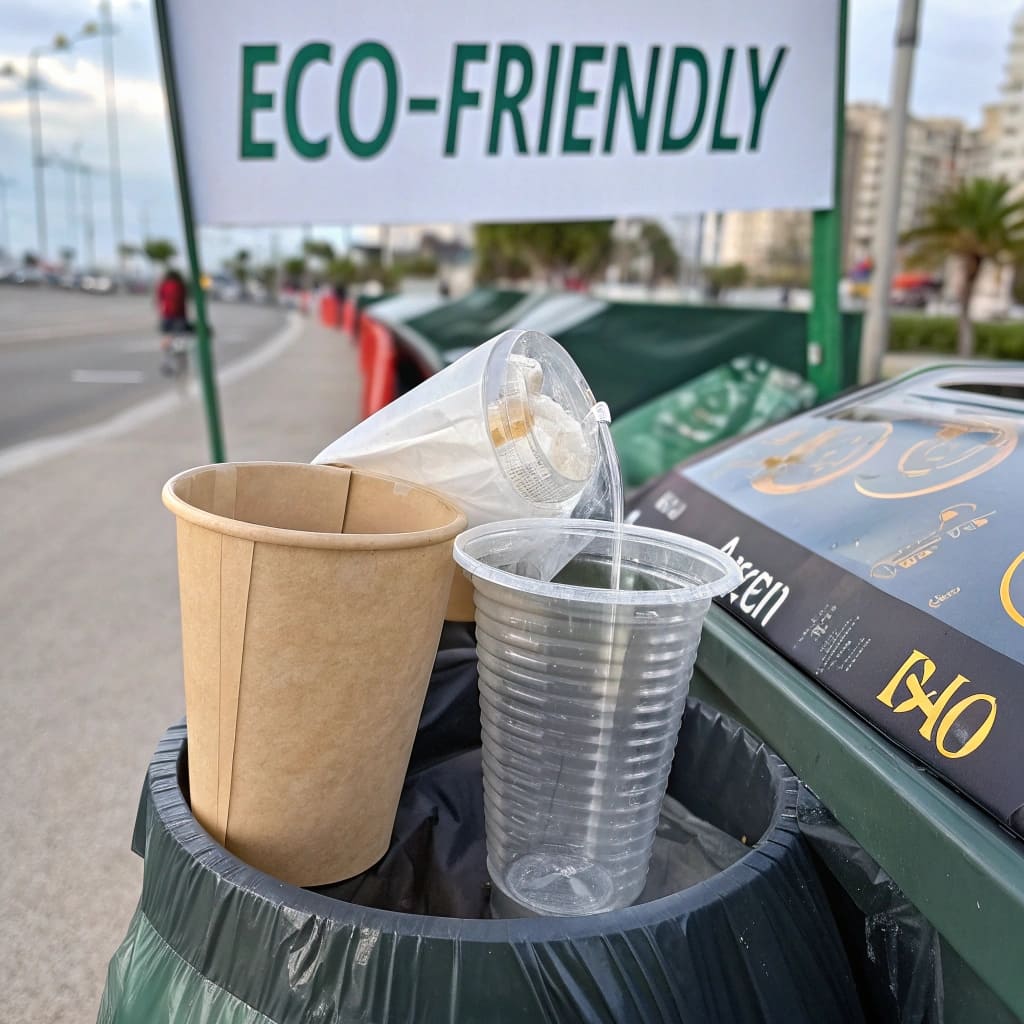
Many people assume paper is better for the environment, but the reality is more complex. To hold liquid, paper cups must be coated with a thin layer of plastic, usually polyethylene (PE). This makes the cup a mixed-material product. Standard paper recycling plants are not equipped to handle this. The plastic coating contaminates the paper pulp, so these cups are filtered out and sent to a landfill or incinerator. Only very specialized facilities can separate the paper from the plastic liner, and these facilities are not common. So while a paper cup might feel like a green choice, its journey often ends in the trash. The eco-friendly story simply doesn't hold up once you look at the entire lifecycle.
The Reality of Recyclable PET
Transparent PET plastic, on the other hand, is a valuable commodity in the recycling world. It's identified by the #1 resin code, and a strong market exists for it. Municipal recycling systems are built to sort and process PET. Recyclers actively want this material because it can be cleaned, melted down, and remade into new products, like more cups, bottles, or even polyester fabric for clothes. This creates a real circular economy. Unlike the paper cup, the PET cup can be successfully reborn. I always tell my clients to call their local waste management provider and ask a simple question: "Do you pay for bales of used PET cups?" The answer tells you everything you need to know about its real-world recyclability.
Which cup is truly more cost-effective for my business?
You need to manage your packaging budget carefully. But focusing only on the price-per-cup is a trap that can lead to hidden costs that eat into your profits. We need to calculate the total cost of ownership.
While paper cup prices can fluctuate, scaled manufacturing makes PET cups consistently stable and often cheaper per unit. More importantly, PET's durability and stackability reduce hidden costs from shipping, damage, and operational waste3, making its total cost of ownership lower for cold beverages.

Looking Beyond the Unit Price
The sticker price is just the beginning of the story. A procurement manager like Emily knows that the true cost includes everything from the factory to the customer's hand. PET cups almost always win on total cost for cold drinks. Because of their strength and design, they stack very tightly, which means you can fit more cups in a box and more boxes on a pallet. This directly lowers your per-unit shipping and storage costs. Paper cups are bulkier and more fragile. I've seen clients lose entire shipments of paper cups because a pallet got damaged in transit. With PET, that kind of loss is extremely rare.
Here is a simple breakdown of the hidden costs4:
| Factor | PET Cups | Paper Cups |
|---|---|---|
| Unit Price | Stable, lower at scale | Fluctuates with paper & energy markets |
| Shipping & Storage | High stacking density, lower cost per unit | Less dense, higher cost per unit |
| Damage & Waste | Very durable, low loss rate | Prone to crushing and water damage, higher loss |
| Operational Speed | Sturdy, easy to de-nest and cap quickly | Can deform, slowing down service |
| Lid Fit | Consistent molding, reliable seal | Varies with paper quality, higher leak risk |
In a busy cafe, every second counts. A flimsy paper cup that deforms when a barista tries to cap it slows everything down. That costs you sales during a morning rush. Consistent quality is key, and that's what we focus on at Lehong Packaging.
Conclusion
For cold drinks, choose PET for sales and efficiency. For hot drinks, use paper for safety and taste. True sustainability is about choosing a cup that actually gets recycled, not just one that looks green.
Understand the risks associated with flimsy plastic cups for hot drinks and why they can harm your brand. ↩
Discover the benefits of double-walled cups for hot beverages, including insulation and safety. ↩
Discover how smart packaging choices can minimize operational waste and enhance efficiency in your business. ↩
Understand the hidden costs associated with cup selection to avoid unexpected expenses and maximize profits. ↩