
Struggling to choose the right plastic cup? The options seem endless, and the wrong choice can hurt your brand and budget. This decision feels more complicated than it should be.
The most common materials for plastic cups are PET1, PP, PS, and PLA. PET is best for premium cold drinks due to its clarity, while heat-resistant PP2 is ideal for hot beverages. Your choice depends on your drink type, brand image, and cost goals.
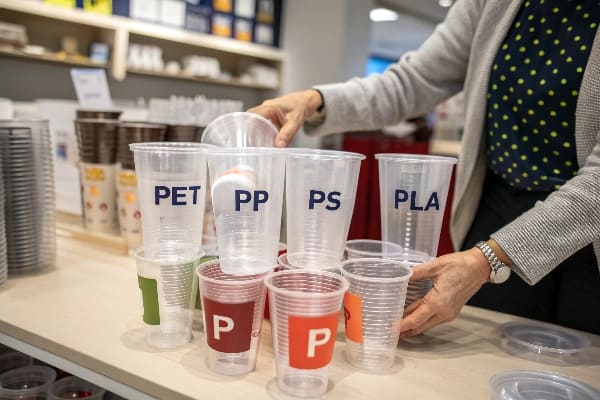
Choosing a cup isn't just about picking a material off a list. It's about understanding how each one performs in the real world and what it says about your brand. After more than 15 years in this industry, I've handled millions of cups and worked with hundreds of brands. Let me break down what really matters so you can make a choice with confidence. This is the inside knowledge that suppliers rarely share.
What are the pros and cons of common cup plastics?
Confused by acronyms like PET, PP, and PLA3? Each has hidden strengths and weaknesses that can impact your customer's experience. Choosing blindly is a risky game for your business.
PET offers unmatched clarity for cold drinks but cannot handle heat. PP is durable and heat-safe, perfect for hot and cold use, but less transparent. PLA is eco-friendly in theory but expensive and brittle. PS is a cheap but outdated and fragile option.
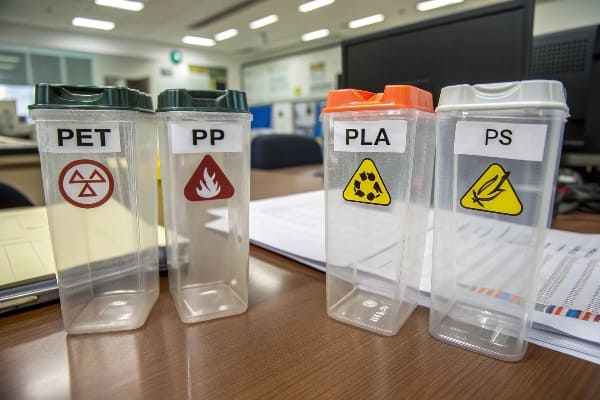
When I first started as a sales engineer, I saw clients choose materials based on price alone, only to face problems later. A material is a tool, and you need the right tool for the job. Let’s look at the main options you’ll encounter. I’ve summarized my personal take on each one from years of seeing what works and what doesn't.
The Four Main Players in Plastic Cups
Each material has a distinct personality and purpose. Understanding them is the first step to making a smart investment.
| Material | Key Feature | Best For... | Major Weakness | My Take |
|---|---|---|---|---|
| PET | Crystal Clear & Strong | Premium Cold Drinks (Iced Coffee, Smoothies) | Not heat resistant (warps >70°C) | The "Brand Builder". It makes your product look amazing. This is our specialty at Lehong Packaging for a reason. |
| PP | Heat Resistant & Durable | Hot Drinks & Takeaway (Milk Tea, Coffee) | Lower transparency ("hazy" look) | The "Workhorse". It's practical, reliable, and cost-effective. The most underrated material on the market. |
| PS | Cheap & Lightweight | (Historically) Yogurt cups, airline cups | Brittle & Cracks Easily | The "Dinosaur". It was common once, but PET and PP are far superior in quality and feel. I advise against it. |
| PLA | Biodegradable (Industrial) | "Green" Branding Statements | High Cost & Not Heat Resistant | The "Idealist". It's a great story for marketing, but the practical challenges of cost and disposal are significant. |
How does your brand strategy decide the best cup material?
Think your cup choice is just a technical detail? This decision actually defines your brand's message to every single customer. Get it wrong, and you send a confusing signal about your quality and values.
Your material choice is a strategic business decision. A premium cold brew brand needs PET's clarity to showcase the product. A high-volume takeaway shop needs PP's cost-efficiency. A brand focused on sustainability might choose PLA3 or rPET to support its story.
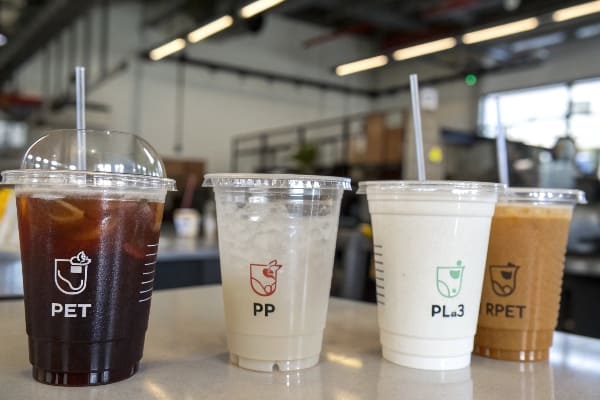
I always tell my clients that the choice of material isn't made in the engineering department; it's made in the marketing or strategy department. The cup is the first physical interaction a customer has with your product. What do you want it to say? Your decision sends a clear signal about what you prioritize, whether it's visual appeal, practicality, or an environmental message4.
Strategy 1: The Premium Experience
If your brand is built on quality ingredients and a premium feel, your packaging must reflect that. Think of high-end iced coffee shops or smoothie bars. The drink itself is the star of the show. You need a cup that is crystal clear, strong, and feels substantial in the hand. This is where PET plastic shines. It communicates quality before the customer even takes their first sip. It’s an investment in perception that pays off, turning a simple drink into a premium product. This is why global brands spend so much time perfecting their PET packaging.
Strategy 2: The Practical and Cost-Effective Choice
Now, consider a business focused on volume, speed, and great value, like a busy milk tea shop or a fast-food chain. Here, the priorities are different. The cup needs to be durable enough for delivery, safe for hot and cold drinks, and affordable to keep prices competitive. This is the world of PP plastic. It’s the smart, practical choice. It may not have the diamond-like clarity of PET, but it gets the job done reliably and without breaking the budget. Choosing PP shows your customers that you focus on delivering a great product efficiently.
Strategy 3: The Green Statement
For brands that lead with an eco-conscious message, the material is a core part of the story. This is where options like PLA (the plant-based, compostable plastic) or rPET (recycled PET) come into play. Choosing one of these materials makes a very loud and clear statement about your brand's values. However, this strategy requires deep commitment. You must be prepared for the higher costs and also educate your customers on how to properly dispose of the cups, as PLA, for example, requires industrial composting facilities that are not widely available.
Is recycling a better solution than biodegradable plastics5?
Everyone wants to be eco-friendly, but are "biodegradable" plastics the magic bullet they seem to be? The truth is far more complex and can lead to unintended environmental problems if not handled correctly.
In my experience, focusing on robust recycling systems for proven materials like PET and PP is more practical than chasing the "biodegradable" label. Many PLA products only break down in industrial compost facilities, which are not widely available, often ending up in landfills.
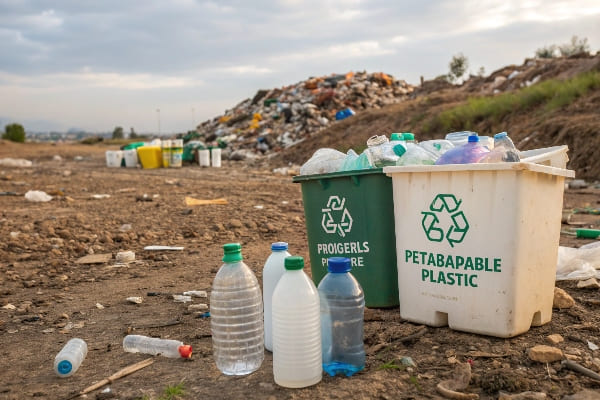
After years in this business, I've come to a strong conclusion: plastic isn't the enemy, our throw-away culture is. Materials like PET and PP are marvels of engineering—they are lightweight, durable, and, most importantly, highly recyclable. The problem is not with the material itself, but with our failure to build a reliable system to reclaim and reuse it. Chasing the "biodegradable" dream can sometimes distract us from the real, achievable solution right in front of us: a truly circular economy for plastics.
The Reality of Disposal
The "green" choice isn't as simple as reading a label. The real-world impact depends entirely on the disposal infrastructure available to your customers.
| Aspect | PET / PP (Recycling Path) | PLA (Composting Path) |
|---|---|---|
| Infrastructure | Widely available, though system efficiency varies. | Very limited; requires special industrial composting facilities. |
| End-of-Life Outcome | Becomes valuable raw material (like rPET) for new products. | Can break down into organic matter, but often ends up in a landfill. |
| Consumer Action | Simple and well-understood: place in the recycling bin. | Confusing: looks like plastic but can't be recycled. Must find a special compost bin. |
| Contamination Risk | Low-risk if sorted correctly. | High-risk. If PLA ends up in a PET recycling stream, it can contaminate the entire batch. |
I believe the most responsible path forward is to champion materials designed for recycling, like PET. We focus on producing high-quality, 100% recyclable PET cups because that creates a dependable circular system. Instead of hoping for a future where composting facilities are everywhere, let's perfect the recycling systems we already have. That is the most practical and impactful way to reduce waste.
Conclusion
Choosing the right cup material is a strategic brand decision. Focus on highly recyclable PET and PP for a truly sustainable and practical solution that protects your product and your brand.
Explore the advantages of PET plastic, known for its clarity and strength, making it ideal for premium cold drinks. ↩
Learn why PP plastic is durable and heat-resistant, making it perfect for hot beverages and takeaway options. ↩
Discover the pros and cons of PLA plastic, including its biodegradable nature and practical challenges. ↩
Discover how the choice of materials can reflect a brand's commitment to sustainability and environmental responsibility. ↩
Investigate the complexities of biodegradable plastics and their real-world impact on the environment. ↩