
Choosing the right cup sizes for your menu is a huge headache. Pick wrong, and you complicate inventory, confuse customers, and leave money on the table every single day.
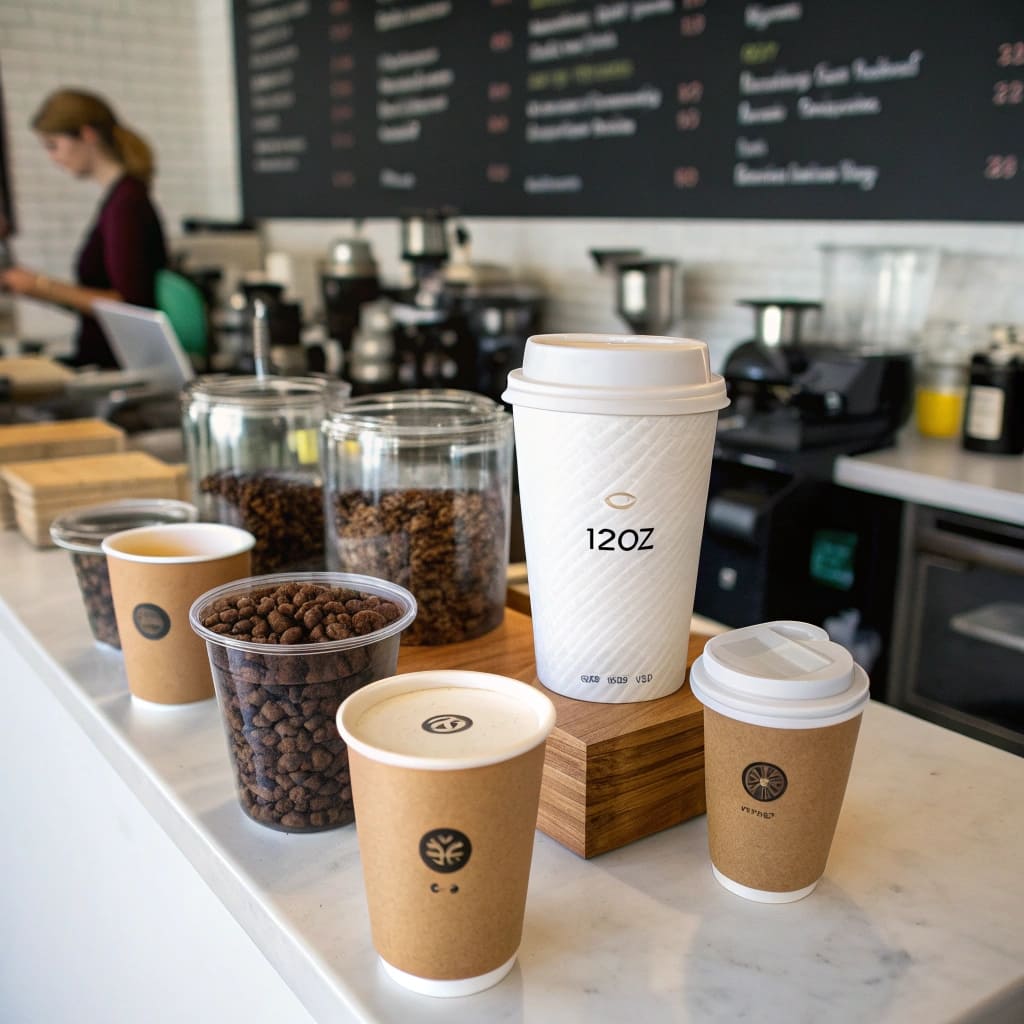
The most popular and universally standard coffee cup size is 12oz (approximately 355ml). This size serves as the default "medium" for major chains and is the most efficiently produced size for manufacturers, making it the most stable in terms of price and availability.
But "popular" means different things to different people. A barista at a high-end specialty cafe has a very different idea of the "perfect" size than a manager at a high-volume convenience store. And for a manufacturer like me, "popular" has a specific meaning tied directly to machine uptime and mold efficiency. I've seen brands succeed and fail based on this one simple choice. Let's break down what size you should be paying attention to, and why.
Why do big chains and small cafes use different cup sizes?
You see chains pushing 12oz cups while indie shops favor smaller 8oz options. Copying the wrong model can make your brand look either cheap or unnecessarily expensive to your target customer.
Large chains use the 12oz cup as their standard "medium" because it hits the psychological sweet spot for the mass market. Independent cafes often use a smaller 8oz size to highlight the quality of specialty coffee and create a more premium, craft aesthetic.
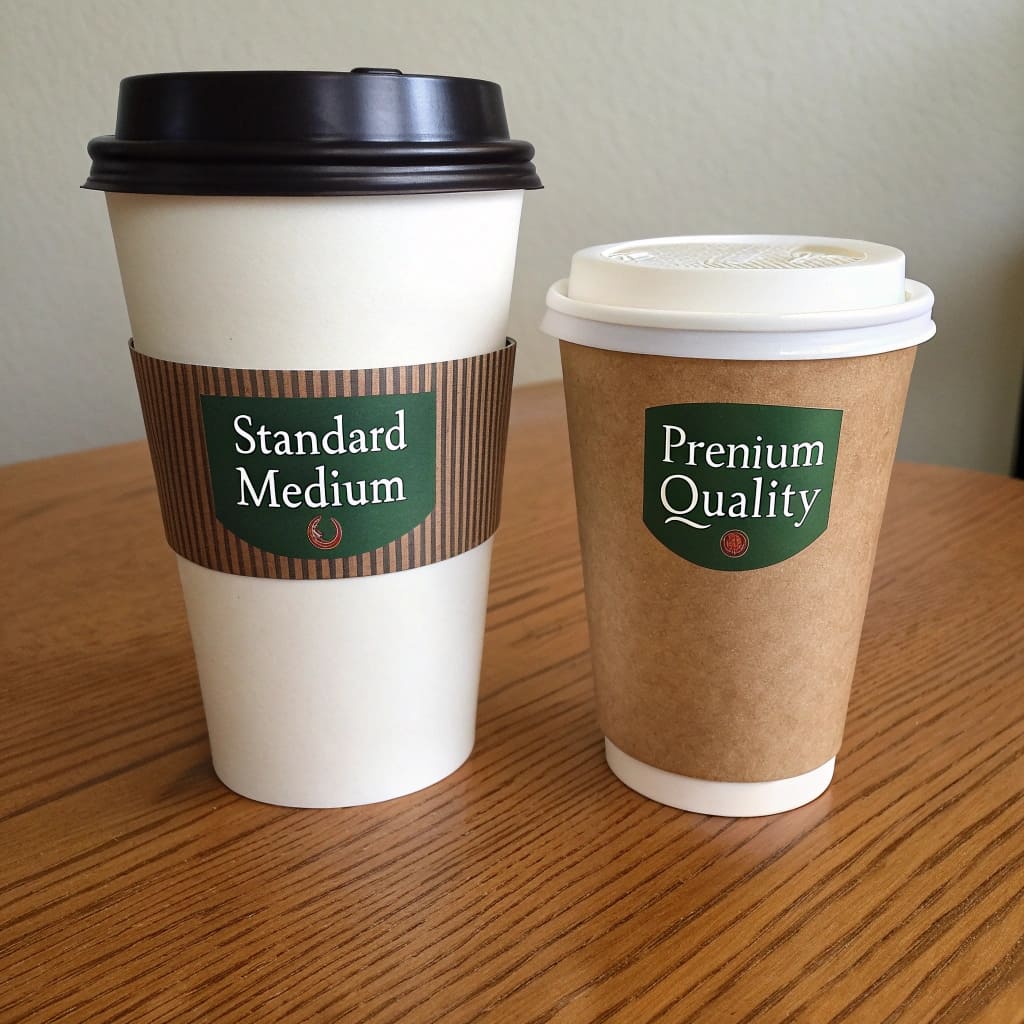
The cup size you choose is a direct message to your customer about what you value. Are you selling convenience and volume, or are you selling a carefully crafted experience? There is no right answer, but there is a right answer for your brand. The market has already split into distinct camps, and understanding their logic is the first step to finding your place.
The Logic of Different Coffee Markets
| Market Segment | Primary Cup Size | The Strategy Behind It |
|---|---|---|
| Global Coffee Chains | 12oz (Medium/Grande) | This size feels like a substantial, satisfying drink without being overwhelming. It's the volume hero that anchors the entire menu, with 16oz as the easy upsell and 8oz reserved for niche drinks. |
| Independent & Specialty Cafes | 8oz (Small/Standard) | For high-quality espresso and perfectly steamed milk, an 8oz cup provides the ideal ratio. It signals a focus on flavor and craft, not just quantity. It's a statement of quality. |
| Convenience Stores & Gas Stations | 10oz or 12oz | The goal here is pure efficiency and value. These sizes fit standard car cup holders, are cost-effective to produce, and simplify inventory management for fast-moving environments where speed is key. |
What makes a cup size 'popular' for a manufacturer?
You requested a unique 14oz cup, thinking it would help your brand stand out. Now you're facing higher unit costs and longer lead times, and you don't understand why something so simple is so complicated.
For a manufacturer, "popular" means efficient. The 12oz size is the industry standard because the molds are common, production runs are long, and inventory is predictable. Any non-standard size disrupts this efficiency, requiring expensive downtime for mold and material changes.
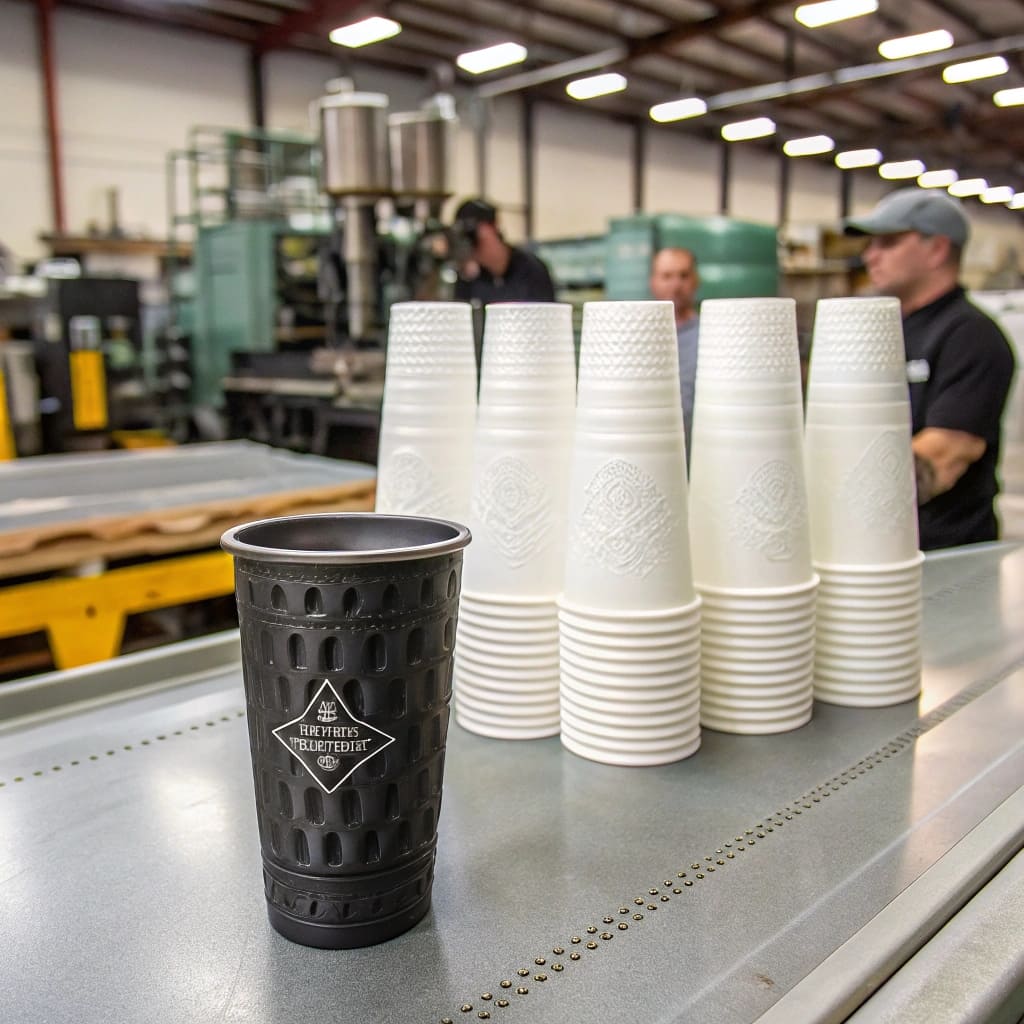
From my perspective on the factory floor, a cup is not just a cup; it's a unit of machine time. And the most valuable size is the one that lets my machines run uninterrupted for the longest possible time. That size, without question, is 12oz. When a client asks for a custom size, they often don't see the hidden complexities that come with that request. The entire supply chain is optimized for the standard. Deviating from it has real, tangible costs.
The Factory Floor Reality
The truth is, we have more 12oz molds than any other size. These are our workhorses, running day and night. This constant production keeps the per-unit cost low for everyone. When an order for a less common size, like 9oz or 15oz, comes in, the process is disruptive:
- Stop Production: A machine producing thousands of cups per hour has to be shut down.
- Change the Mold: A heavy, expensive mold has to be swapped out.
- Adjust Materials: The width of the plastic sheet feed often needs to be changed.
- Recalibrate: The machine settings for heat, pressure, and timing must all be fine-tuned.
All this downtime costs money. That's why the most "popular" size will always be the one that keeps the machines running smoothly.
How does your choice of cup size affect your bottom line?
You're trying to set your menu prices, but you're just guessing. Choosing cup sizes without a clear profit strategy can lead to dangerously low margins on your best-selling items or slow sales on others.
The 12oz cup is your high-volume, low-margin anchor. The smaller 8oz size is a high-margin tool for premium drinks, while the larger 16oz size is a simple upsell tool to increase the average value of each transaction.
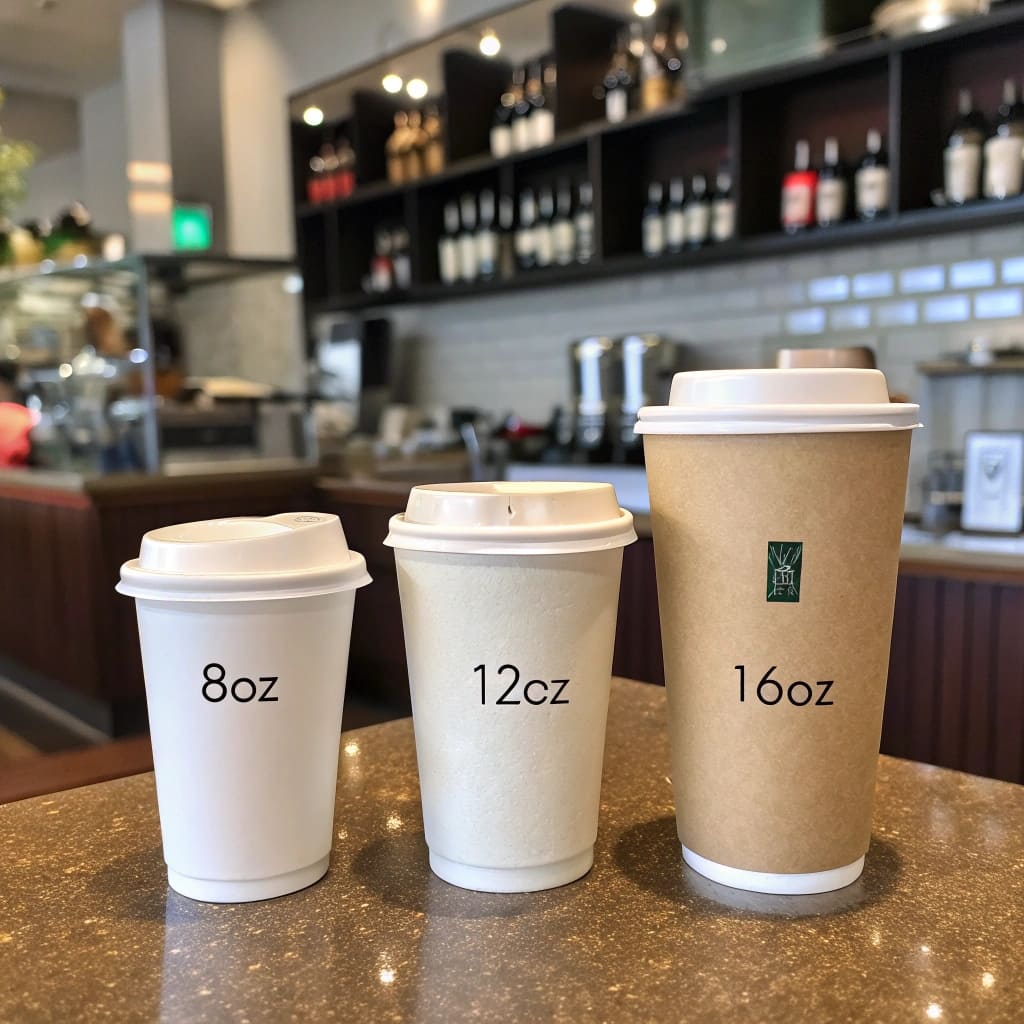
A smart operator doesn't just sell coffee; they sell a carefully structured product portfolio. Each cup size has a specific job to do for your business's financial health. Thinking about them as a team, rather than as individual items, is the key to building a profitable beverage program. A factory that truly understands this can help you balance your orders to optimize both your brand image and your profit margins.
Your Cup Size Profit Strategy
| Cup Size | Role in Your Business | How It Makes You Money |
|---|---|---|
| 12oz (The Foundation) | The everyday workhorse. | Sells in high volume with a predictable, albeit lower, margin. This is the size that pays the bills and keeps your business running. |
| 8oz (The Profit Driver) | The premium offering. | The cost of goods is low, but the perceived value is high. You can charge a premium for specialty drinks, resulting in the highest margin per ounce. |
| 16oz (The Upsell) | The value booster. | The incremental cost to make a 16oz cup is small, but you can charge a significantly higher price. This size's job is to increase the average check size. |
The most successful brands don't just pick one size. They use all three strategically to cater to different customer needs and build a resilient, profitable business structure.
Conclusion
The 12oz cup is the clear market and manufacturing standard. However, the smartest brands use an 8oz for premium image and a 16oz for upselling to create a stronger, more profitable business.