
The choice between paper and plastic cups seems obvious for health, right? But this assumption can lead you to a riskier choice, creating a dilemma for your brand's reputation.
Not necessarily. A cup’s health safety depends on the manufacturing standards, not the material alone. A high-quality, food-grade plastic cup from a certified factory is often more stable and safer than a poorly made paper cup with a low-grade plastic liner.
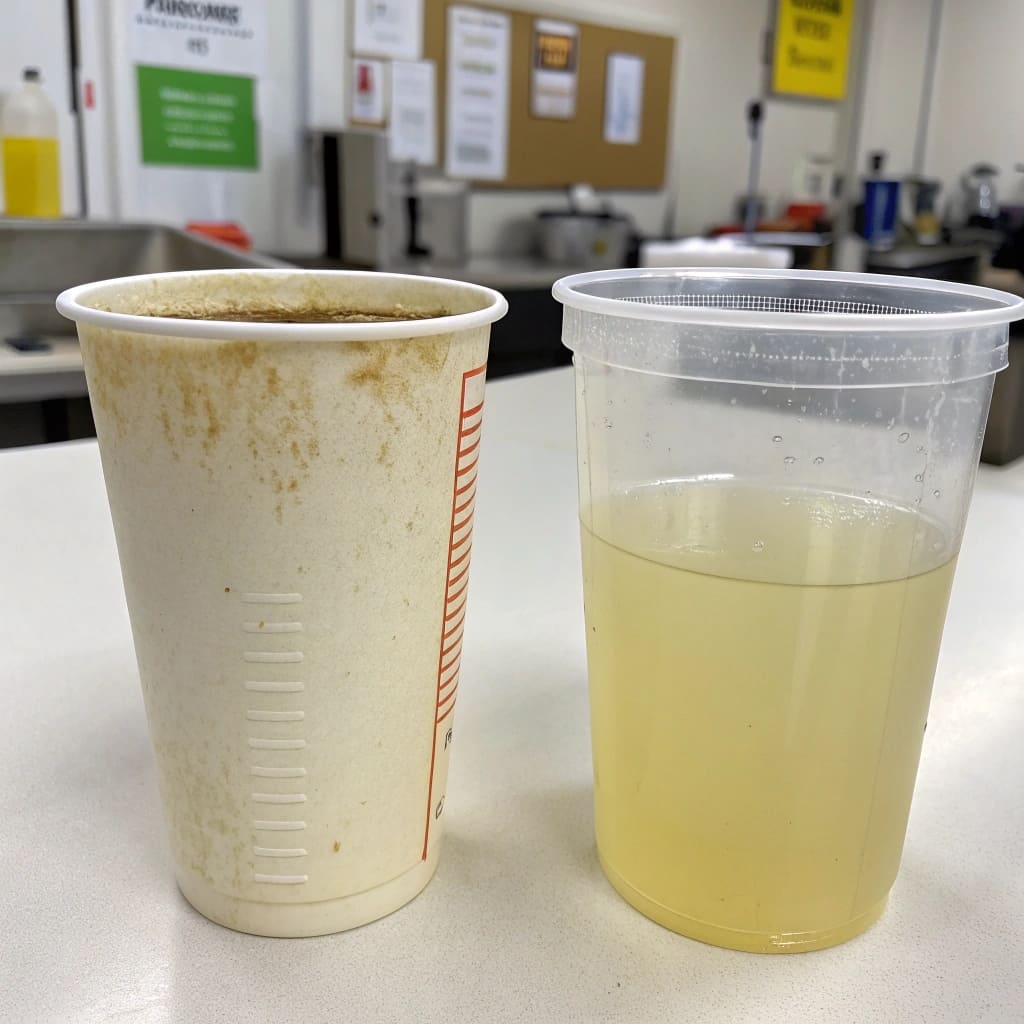
Ask ten people on the street, and nine will tell you paper is healthier. It just feels more natural. But after more than fifteen years in this industry, I can tell you that this belief is both inaccurate and irresponsible. The real answer isn’t about "paper" or "plastic." It's about who made the cup, how they made it, and what materials they really used. Let's get past the marketing myths and talk about what's actually happening on the factory floor.
Are paper cups as 'natural' and safe as they seem?
Paper sounds clean, natural, and harmless—a perfect marketing story. But this "health illusion" can hide the real risks that come from how these cups are actually constructed.
No. Paper cups are not pure paper; they are lined with a thin plastic film (like PE) to be waterproof. The cup's safety is entirely dependent on the quality of this liner, the printing inks, and the factory's hygiene standards1.
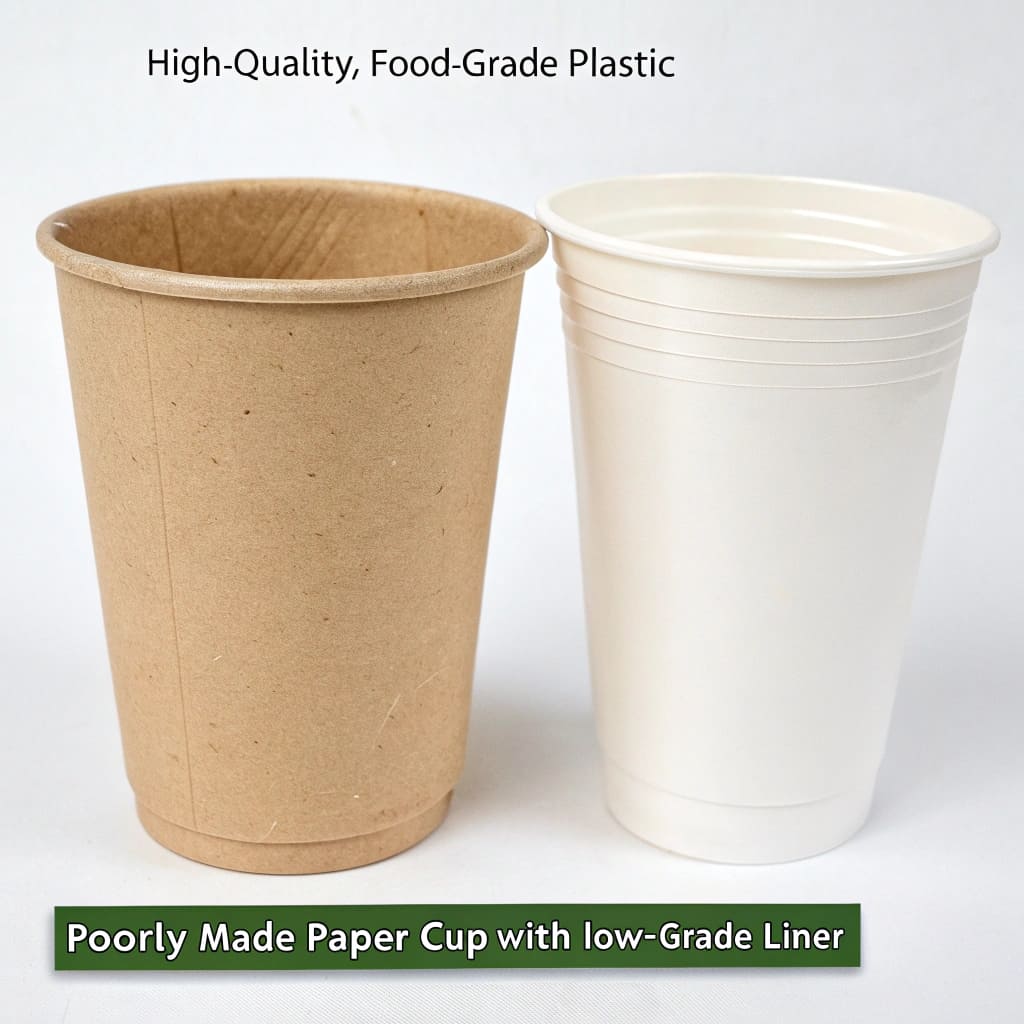
Brands love to talk about paper because it sells a simple, eco-friendly story that consumers want to hear. But anyone who actually works in packaging knows the truth: a paper cup is really a composite product. That inner plastic lining is what stops your hot coffee from turning the cup into a soggy mess. The problem is, this critical component is often a weak link. If a factory uses low-purity raw materials for that film or can't control the heat during application, harmful chemicals can potentially leach out. Add in cheap, non-food-grade printing inks and a dusty workshop, and the word "healthy" becomes a joke. A paper cup from an unknown source is an uncertain risk.
| Potential Risk in Paper Cups | Why It Matters |
|---|---|
| Low-Quality Plastic Liner | The primary barrier between the drink and the paper; can leach chemicals. |
| Non-Food-Grade Inks | Inks can penetrate the paper or contaminate the cup rim, posing a direct health risk. |
| Poor Adhesion | If the liner isn't properly bonded, it can create pockets for bacteria to grow. |
| Unhygienic Production | Low barrier to entry means many small workshops have poor environmental controls. |
How is the safety of food-grade plastic cups actually guaranteed?
The media has made words like "plasticizer" and "microplastics" sound terrifying. This fear can push you away from what is often a more stable and controllable option, into the arms of an unknown risk.
Safety is guaranteed through rigid adherence to food-grade standards. Reputable manufacturers use high-purity, traceable materials2 like PP and PET, operate in certified clean environments3, and conduct rigorous testing to ensure the plastic is stable and safe for contact with food.
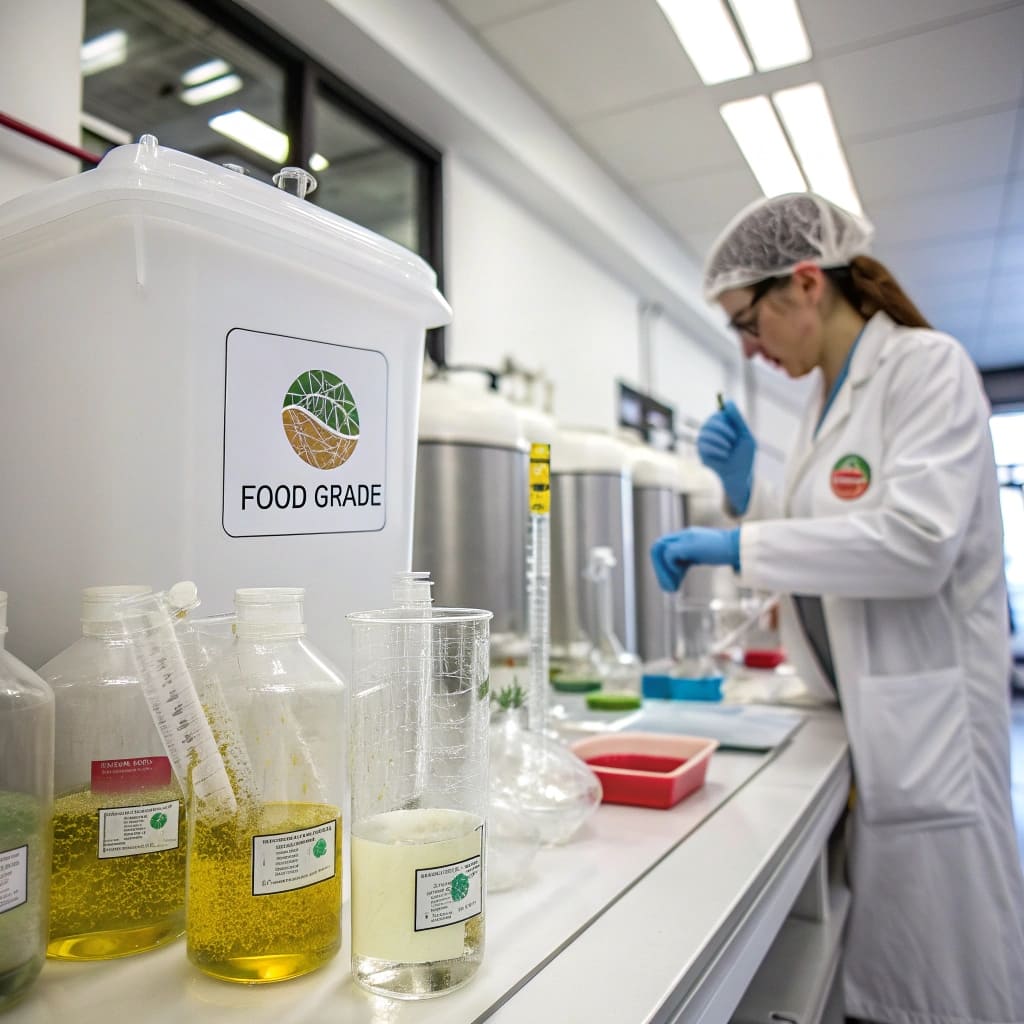
The bad reputation of plastic mostly comes from horror stories about the wrong types of plastic used in the wrong ways. In the highly regulated world of food packaging, materials like food-grade PP (Polypropylene) and PET (Polyethylene terephthalate) are incredibly stable. I've worked with many large food companies that explicitly choose our PP cups over paper cups for this very reason. Why? Because for them, a high-quality plastic cup represents a controllable risk. They know our raw materials are traceable. They know our production process is certified. They know that as long as you don't heat a PET cup designed for cold drinks, the risk of chemical leaching is almost zero. It's a known, managed quantity, which is far preferable to the mystery behind a cheap paper cup.
Why does the factory matter more than the material for health and safety?
You are probably focused on the paper-versus-plastic debate. But the biggest health threat isn't the material itself—it's the low-quality, unregulated factory that could be producing either type of cup.
Because production standards, from raw material sourcing to hygiene, have a greater impact on a cup's safety than its base material. A certified, clean factory creates a safe product. A dirty workshop with cheap materials creates a dangerous one, regardless of what it's made of.
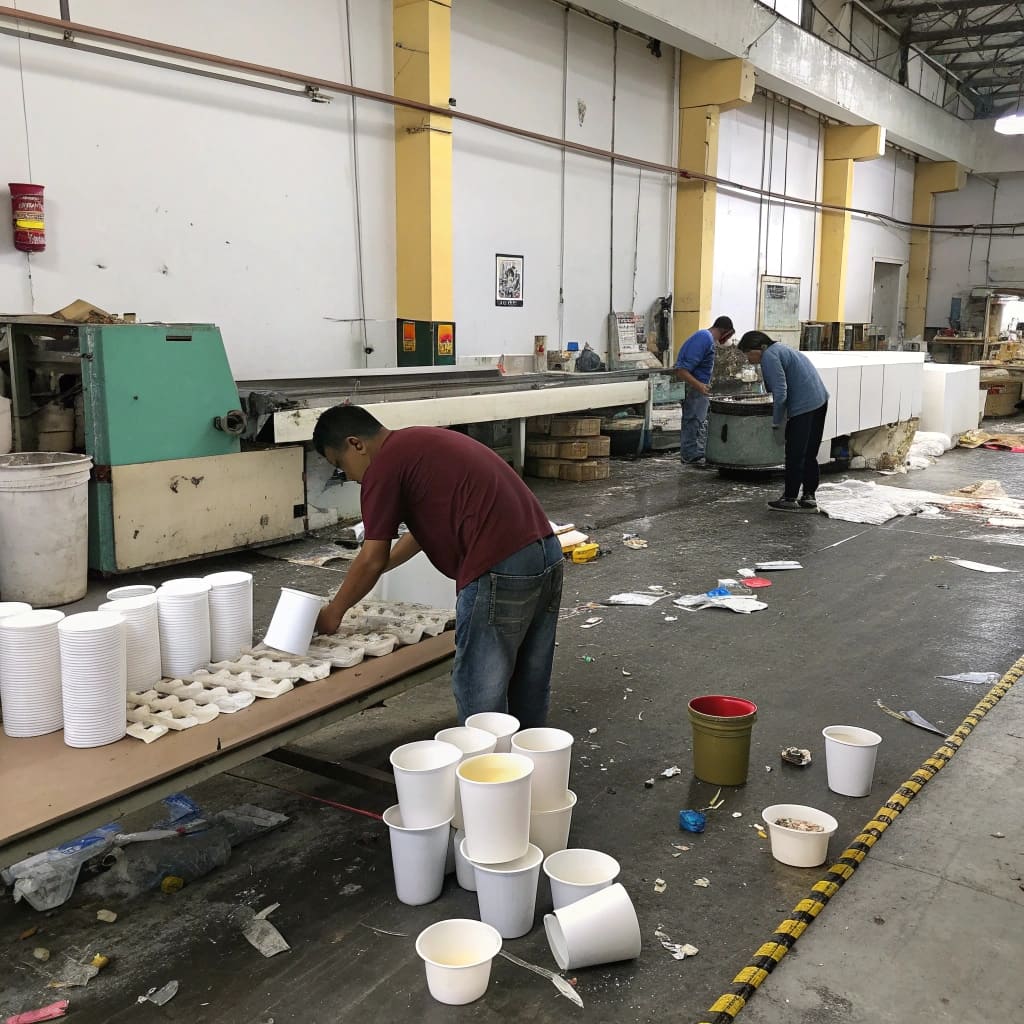
This is the biggest truth in our industry. The health gap isn't between paper and plastic; it's between professional manufacturers and makeshift workshops. The barrier to entry for making paper cups is shockingly low. You can set up a few machines in a small space and start production. This means the risk of contamination from the environment, mold, bad inks, and poor storage is massive. In contrast, a certified plastic thermoforming facility like ours typically requires a much larger investment in clean rooms, air filtration, and quality control systems. We live and die by batch testing and certifications. I've seen clients trying to sell "healthy" juices in unlabeled paper cups sourced from a questionable supplier. It's a farce. Your choice of supplier is the single most important health decision you will make.
Conclusion
A cup’s safety is determined by standards, not materials. Choose a supplier with verifiable certifications, because a safe product is manufactured by a reliable partner, not assumed from a label.