
Are disposable plastic cups good for the environment?
Feeling guilty about using plastic cups? You're told that paper or plant-based cups are the answer, but the real story is much more complicated than a simple label.
The short answer is no, a single-use mindset is never good for the environment. However, materials like PET plastic are often more resource-efficient and recyclable than alternatives like paper or PLA. The real problem isn't the plastic; it's our throwaway culture.
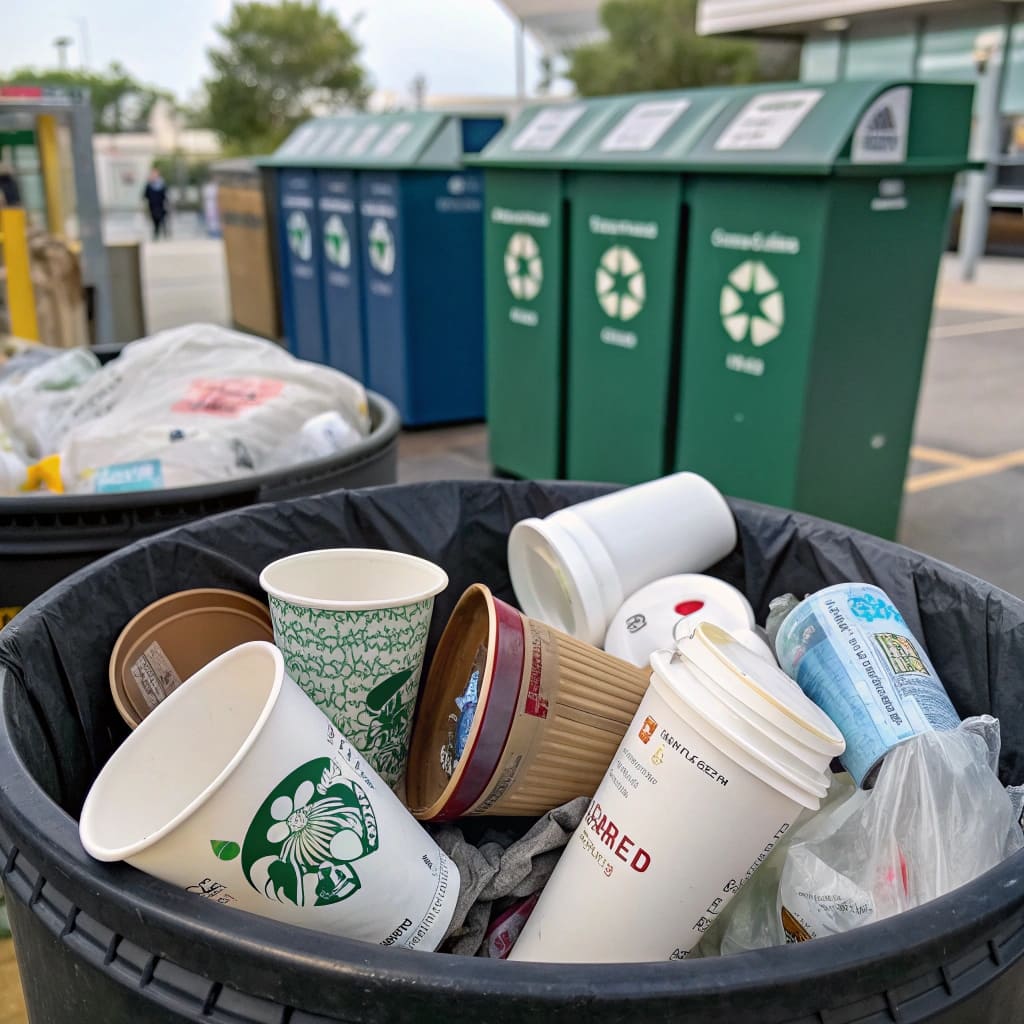
I've been in the packaging industry for over 15 years, and I’ve seen the conversation around "eco-friendly" products become a business in itself. We all want to do the right thing, but sometimes the most heavily marketed solutions aren't the best ones. The plastic cup has become a symbol of waste, but it's also a mirror reflecting our habits of convenience. Instead of just blaming the material, we need to look at the entire system—from how a cup is made to where it ends up. Let's dig into the facts that often get lost in the noise.
Are paper and PLA cups really better for the planet?
You're trying to make a responsible choice, but the claims about "green" alternatives seem fuzzy. You wonder if they are truly better or just marketing that costs you more.
Often, they are not. Paper cups usually contain a plastic lining, which makes them difficult to recycle. PLA cups require industrial composting facilities that are rare, and they often end up in landfills or contaminate the standard plastic recycling stream.
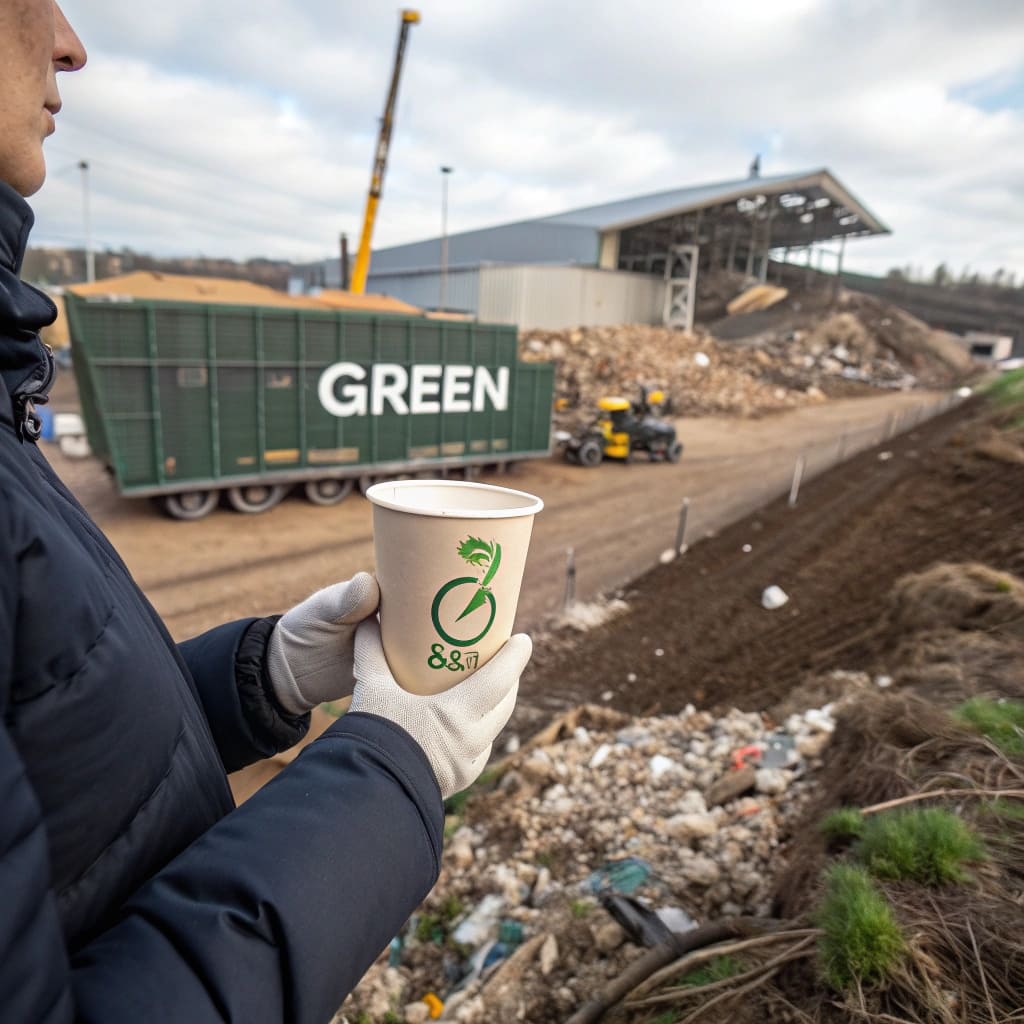
In my experience, many businesses are pressured to switch to paper or PLA without understanding the full picture. I once had a client, a growing coffee chain, who was very excited about switching to PLA cups to promote their green credentials. But after they did some research, they found their city had zero industrial composting facilities. All those "compostable" cups were just going to the landfill, same as any other piece of trash. Worse, some customers would toss them in the plastic recycling bin, risking contamination of an entire batch of valuable PET material.
Let's break down the reality of these materials.
The Hidden Issues with "Eco" Alternatives
The story is more complex than a simple "good" or "bad" label. Here's a more honest comparison:
| Feature | PET Plastic Cups | Coated Paper Cups | PLA (Plant-Based) Cups |
|---|---|---|---|
| Manufacturing | Energy-intensive, but highly efficient at scale. | High water and energy use to produce pulp and paper. | Often sourced from corn, raising food vs. fuel debates. |
| Durability | High. Strong, crack-resistant, and doesn't get soggy. | Low. Can get soggy. Needs a plastic (PE) lining. | Moderate. Can become brittle in heat or with hot liquids. |
| Recyclability | Highly recyclable (Recycle #1). Widely accepted. | Very difficult. The PE lining must be separated from paper. | Not recyclable. Requires industrial composting (rare). |
| End of Life | Can be recycled into new bottles, containers, or fibers. | Mostly ends up in a landfill. | Mostly ends up in a landfill or contaminates PET recycling. |
What this table shows is that the perceived "eco" choice isn't always the true one. A PET cup that actually gets recycled has a much better environmental outcome than a paper or PLA cup destined for the landfill.
What makes plastic cups so misunderstood?
Plastic gets a bad reputation. It's often portrayed as the number one enemy of the environment, making you question why it's used so widely for food and beverage packaging.
Plastic is misunderstood because its negative image from single-use culture completely overshadows its incredible material benefits. It is lightweight, strong, safe, and highly recyclable, which reduces transport emissions and energy use compared to heavier materials like glass.
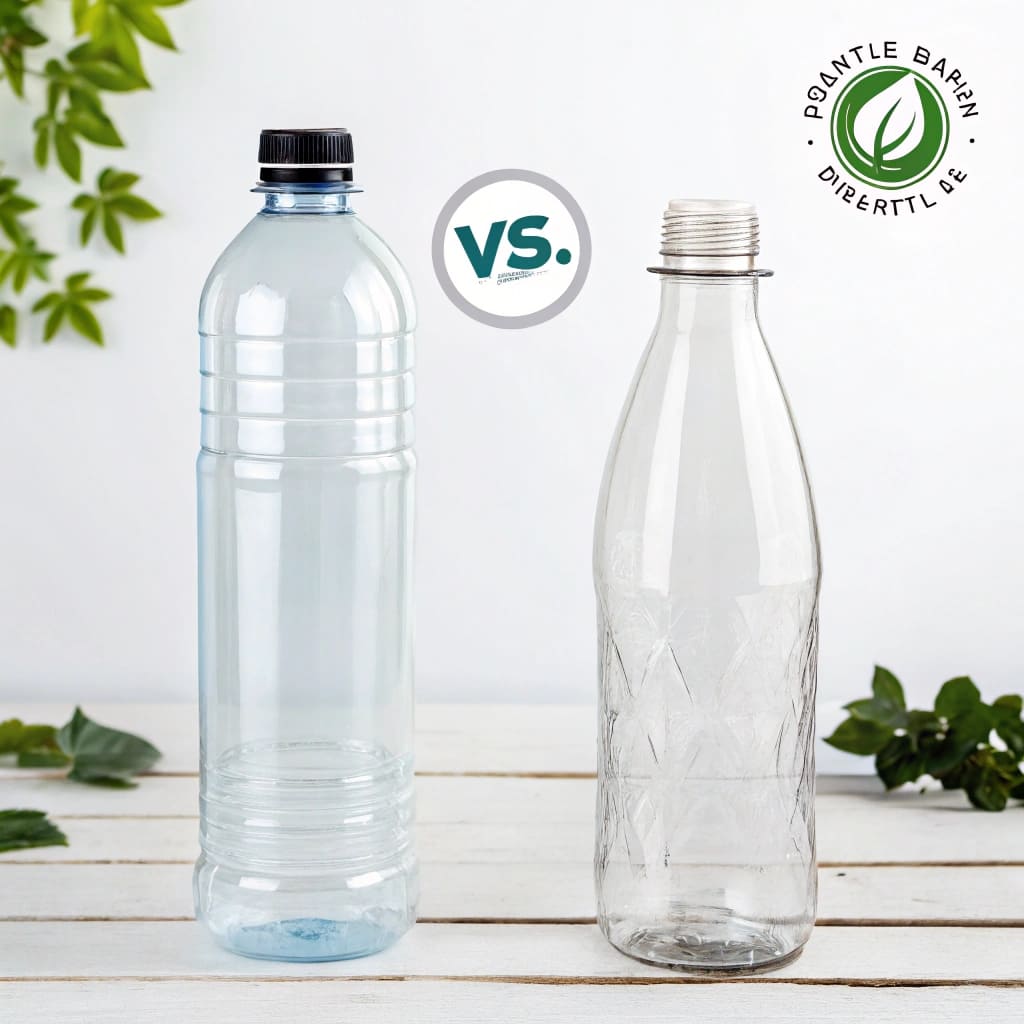
When I first started as a sales engineer, I learned that material science is all about trade-offs. There is no perfect material. But from a pure engineering standpoint, plastic is a modern marvel. Its bad reputation comes from how we use it, not from what it is. We created a brilliant material designed for durability and reuse, and our culture turned it into a throwaway item.
The Unseen Advantages of a Maligned Material
Let's look past the headlines and focus on the practical benefits that keep plastic relevant.
1. The Efficiency of Being Lightweight
One of the biggest hidden environmental costs in any supply chain is transportation. Plastic is incredibly lightweight. Shipping a truck full of PET cups uses far less fuel than shipping the same number of glass or even paper cups (which are bulkier). As a manufacturer who ships over 100 million pieces a year to more than 50 countries, I can tell you that weight reduction directly translates to lower carbon emissions.
2. Durability and Food Safety
Plastic is also exceptionally durable and stable. It protects the product inside from contamination and doesn’t shatter like glass, which is a major safety concern in food service. At Lehong Packaging, our PET products are Intertek-certified, guaranteeing they are food-safe and reliable. This stability ensures that the quality of the beverage is maintained from the moment it's poured until the customer takes the last sip.
3. Designed for a Second Life
Especially PET (the #1 plastic), the material our cups are made from, is one of the most recycled plastics in the world. It has a clear, established recycling stream. It can be broken down and turned back into new cups, bottles, or even clothes. The system isn't broken because the material is bad; it's broken because we fail to collect and sort it properly. The potential for a circular life is built right into the material itself.
How can we make plastic cups more sustainable?
You want to be a responsible business owner, but simply abandoning plastic isn't a realistic option. You feel stuck between operational needs and environmental pressures.
We make plastic cups sustainable by changing our approach. First, by shifting from a "single-use" to a "multi-use" mindset wherever possible. Second, by committing to designing for recyclability and supporting the collection systems that give plastic a second life.
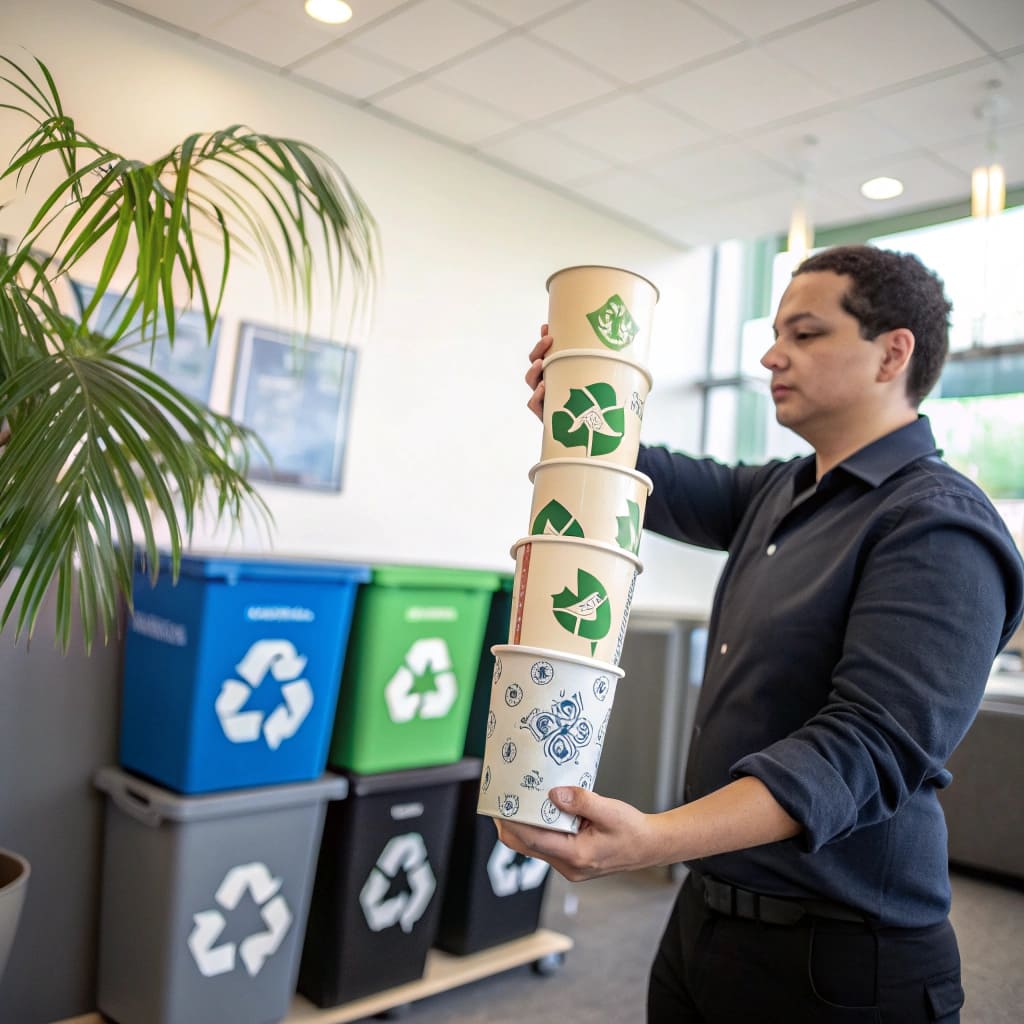
The most environmentally friendly cup is the one you use more than once. I was at a friend's barbecue recently and watched him collect all the plastic cups, wash them, and put them away for the next party. That simple act is far more impactful than buying a "compostable" cup that ends up in the trash. The problem isn't the cup; it's the idea that its life is over after one drink. Our focus should be on extending that life.
A Practical Path to Sustainability
Instead of searching for a magical new material, we can make a huge difference by improving our habits and systems.
1. Shift Your Mindset: From 'Disposable' to 'Reusable'
The first step is cultural. As business owners, we can encourage this. Think about offering a small discount for customers who bring back their cup for a refill. Even if a cup is only used two or three times before being recycled, we've already cut its environmental footprint in half or more. A durable PET cup can easily handle being washed and reused multiple times.
2. Design and Educate for a Circular Economy
As a manufacturer, we have a role to play. We focus on producing mono-material PET cups that are easy to recycle. We avoid using complex colors or additives that can contaminate the recycling stream. We also offer free design support to help our clients include clear recycling instructions right on the cup. A simple message like "Rinse & Recycle Me" can make a big difference in consumer behavior.
3. Demand and Build Better Systems
Ultimately, true sustainability requires a robust circular economy. This means we all—manufacturers, business owners, consumers, and governments—need to support and invest in better collection and recycling infrastructure. When a PET cup is properly recycled, it becomes a valuable resource, not waste. We must push for systems that make recycling as easy as throwing something away.
Conclusion
The problem isn't the plastic cup, but our throwaway culture. True sustainability comes from reusing products and building effective recycling systems, not from so-called "eco" materials with hidden downsides.